
Which Shoes for Colombia? The Best Choice by Region and Travel Style
Which shoes make sense for Colombia depending on the region
The short answer to the question of the right shoes for Colombia is: usually neither just sandals nor heavy hiking boots.
Anyone planning a round trip often moves within a few days from the cool Andean air of Bogotá to warm coastal destinations or the hot, humid Amazon region. That is exactly why the country itself is not the deciding factor, but rather the combination of altitude, climate, activities, and trail conditions.

There is no one-size-fits-all answer when it comes to shoes for Colombia
Colombia is not a climatically uniform travel destination. Instead of traditional seasons, there are rainy and dry periods, and above all, the country's different thermal zones make the difference: cool in the Andes, hot along the coast, and permanently humid in the Amazon.
Anyone packing the same shoes for Bogotá, Tayrona, and San Agustín usually realizes by the second day of the trip that this was not the ideal choice.
Which shoes make sense in each region
Bogotá:
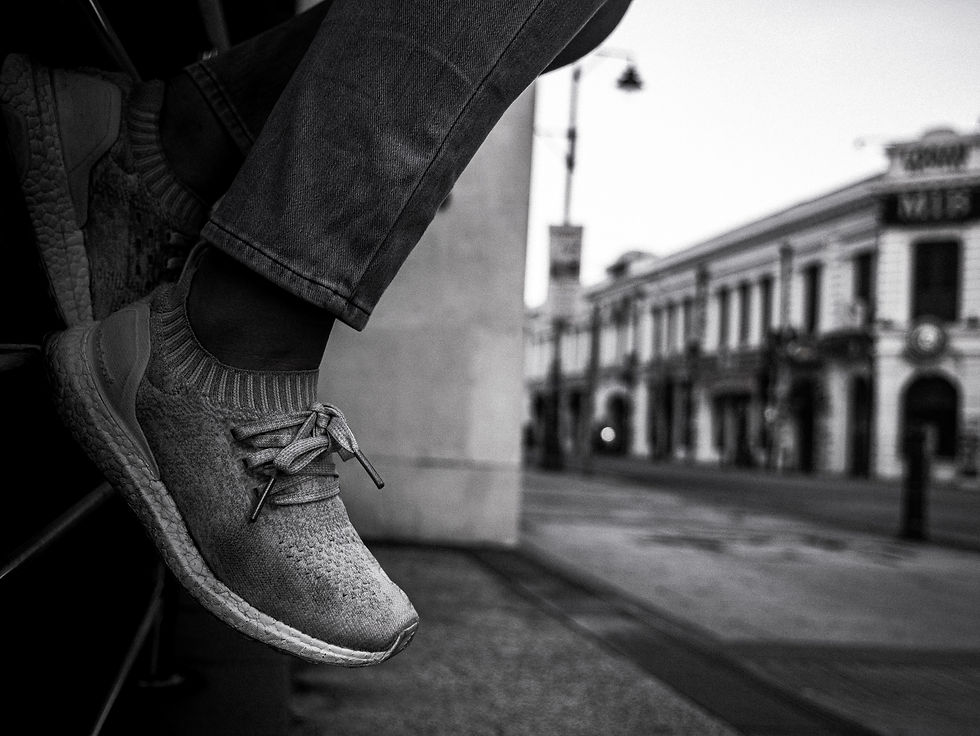
Bogotá does not require hiking boots, but it does call for reliable, closed shoes. The city sits at high altitude, temperatures are generally cool, and rainy periods are common.
For city walks, museums, and everyday sightseeing, comfortable sneakers or lightweight, preferably water-resistant shoes are the best choice. Open sandals can work on warmer afternoons but are rarely the most practical primary option.
The Coffee Region
In the Coffee Region, the answer depends heavily on your itinerary.
For charming towns such as Salento, visits to coffee farms, and relaxed coffee experiences, a good pair of sneakers is often sufficient. However, anyone planning to hike in the Cocora Valley, walk rural trails, or deal with elevation changes on a hacienda will be better off with lightweight trail shoes or hiking shoes.
The region combines several microclimates and very different altitudes. That diversity is part of its appeal, but it also makes packing more challenging.

San Agustín
San Agustín is a classic case where good traction matters more than style.
The climate tends to be cool, the landscape is green, and visitors do a considerable amount of walking in the archaeological parks and on excursions throughout the region.
Shoes or lightweight hiking boots with solid grip and ankle support are recommended. For this area, lightweight hiking shoes are usually the most sensible solution.

Tatacoa Desert
The situation is almost the opposite in the Tatacoa Desert.
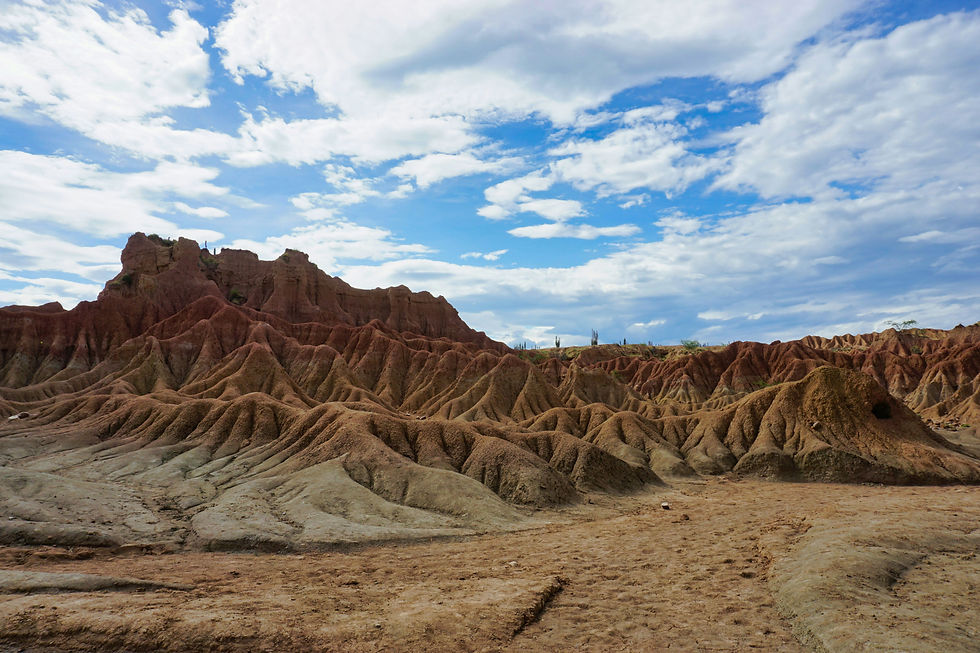
Here, nearly everything argues against heavy footwear. With average temperatures around 28°C (82°F) and highs reaching 40°C (104°F), the goal is to protect your feet from heat and dust without carrying unnecessary weight or trapping excess warmth.
Lightweight, breathable shoes with sturdy soles are ideal. Very open flip-flops are not a good choice for longer walks.
The Amazon
In the Amazon, functionality should clearly take priority over style.
Around Leticia and in the surroundings of Amacayacu National Park, humidity, rain, and soft ground conditions are the main challenges.
Comfortable waterproof shoes, rubber boots, long clothing, and a second lightweight pair of sandals are recommended. Anyone venturing deeper into the rainforest should not underestimate this aspect of trip preparation.

Tayrona National Park
For Tayrona, the best solution is usually not either-or, but a combination.
A lightweight shoe with good grip works best for the trails, while an open pair is ideal for the beach and accommodation.
The park combines hiking, heat, humidity, and beach sections, making sturdy footwear and water-friendly shoes the most practical combination. It is also important to check current park conditions, as weather events can affect trails, and Tayrona has scheduled annual closure periods.

The Caribbean Coast
Outside the national parks, things become much more relaxed along the Caribbean Coast.
Cartagena and Santa Marta are warm, often sunny, and much of daily life takes place on paved streets, promenades, hotel grounds, boats, or beaches.
Good sandals or lightweight sneakers are usually more than sufficient. However, travelers combining the coast with Tayrona or other nature-focused destinations should not forget a second pair with proper traction.

Pack according to activities, not destinations
For cities such as Bogotá, Medellín, or Cartagena, comfortable closed everyday shoes are generally enough. For rural destinations such as the Coffee Region and San Agustín, traction and support become more important. For expeditions or jungle programs in the Amazon, waterproof, durable footwear or rubber boots are essential. For beaches and water activities, sandals or water shoes work well as an addition — but not as the only pair if trails, national parks, or longer walks are part of the itinerary. And for national parks such as Tayrona, the rule is almost always the same: prioritize a good sole over minimal footwear.
The practical recommendation
For most independent trips through Colombia, the most sensible combination is:
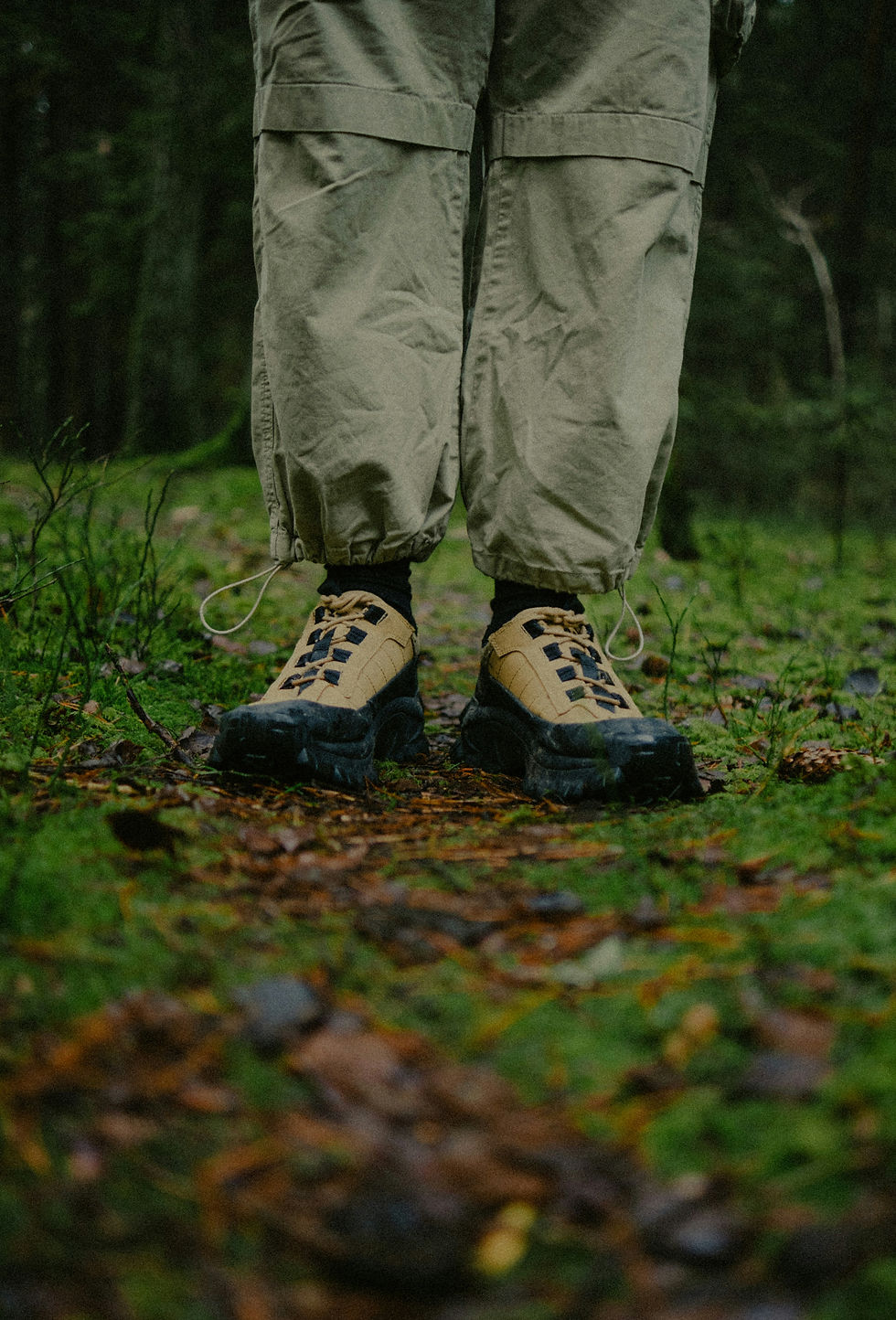
One pair of lightweight trail shoes or hiking shoes with good traction
One pair of open sandals or very comfortable sneakers for hot weather, coastal areas, and accommodation
Travelers planning expedition-style adventures, heavy rain, or multi-day trekking routes can add waterproof shoes or rubber boots depending on the itinerary. Anything beyond that is often more burden than benefit.
From the perspective of Chaska Tours, there is another very practical rule: pack strategically and travel light rather than preparing for every possible scenario. Since 2005, we have been designing tailor-made journeys from San Agustín with a sustainable and local approach, and routes like these quickly show that two well-chosen pairs of shoes are almost always smarter than carrying half a shoe collection.
FAQ
Which shoes are enough for a typical Colombia round trip?
For many itineraries, two pairs are enough: lightweight trail or hiking shoes for rural stages, national parks, and rainy conditions, plus sandals or lightweight sneakers for cities, coastal areas, and accommodation. This combination covers the typical contrasts between the Andes, the Caribbean, and tropical regions most effectively.
Do I need real hiking shoes for Colombia?
Not necessarily for every trip. For city-focused and coastal itineraries, they are often unnecessary. However, in San Agustín, the Cocora Valley, Tayrona, or on rural trails, lightweight hiking shoes or quality trail shoes are significantly more practical than flat casual footwear.
Are sneakers enough for Bogotá, Cartagena, and the Coffee Region?
For Bogotá and Cartagena, yes — provided the focus is mainly on city exploration and relaxed travel. In the Coffee Region, that only applies if no muddy trails, farm roads, or nature excursions are planned. For mixed itineraries, a second pair with better traction provides much better versatility.
Are sandals enough for Tayrona?
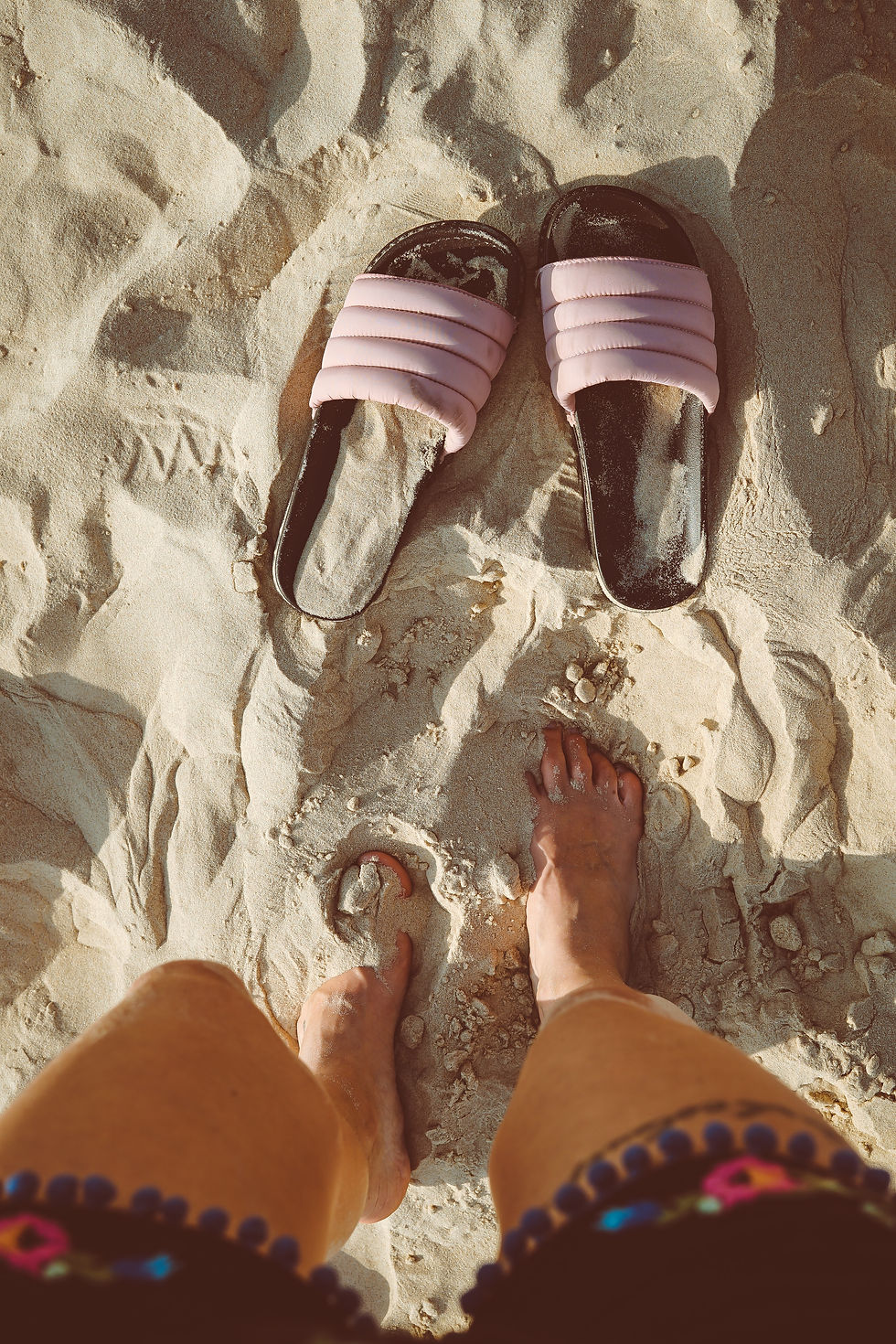
For beach time and accommodation, yes. As your only pair, probably not. Tayrona combines heat, humidity, and hiking trails. Sturdy footwear is recommended for the paths, while water-friendly shoes work best for beach areas. In addition, weather and trail conditions can change rapidly and affect walking conditions.
Anyone unsure about their route between Bogotá, the Coffee Region, San Agustín, Tayrona, or the Amazon should always match their footwear choices to their actual travel plans.
This is where local planning can make a real difference. Since 2005, Chaska Tours has been operating from San Agustín with a sustainable, tailor-made approach and can provide highly specific packing recommendations based on route, season, and travel pace.


Comments