
Beyond Tourism: Colombia Through the Hands of Its Artisans
This article was written by our intern Abel from the SENA Institute, who explored in depth the value of craftsmanship in Colombia. Through his work, he highlights the cultural, social, and economic importance of this sector, and how artisanal traditions continue to be a fundamental pillar of Colombian identity.
COLOMBIA, a country of craftsmanship.
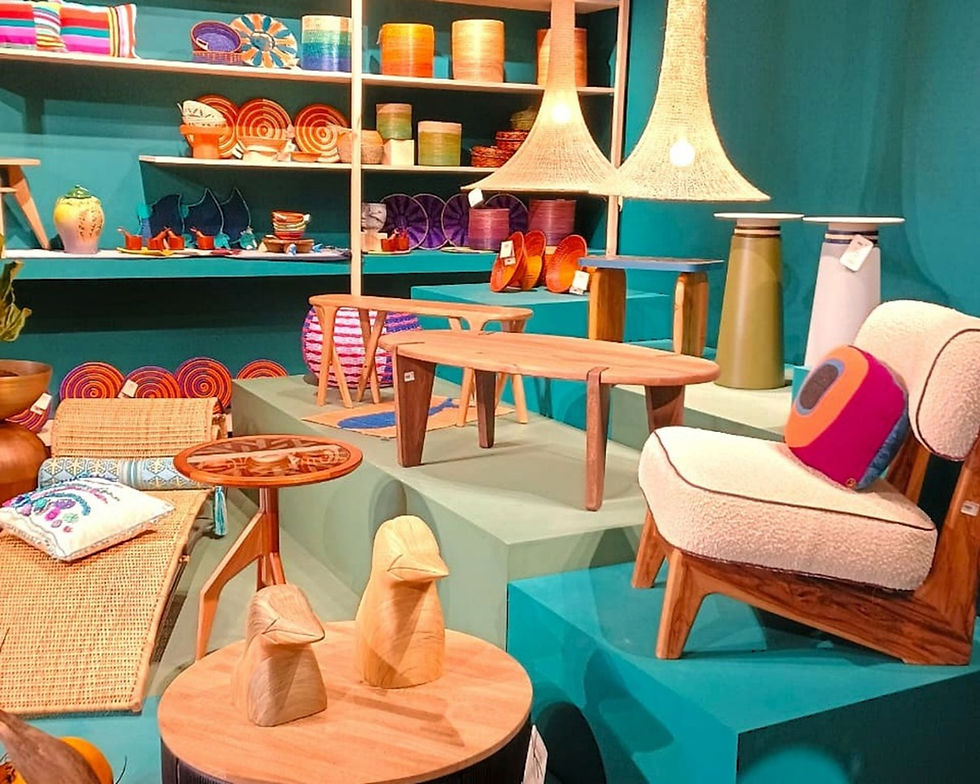
In a world where industrial and technological development is advancing at an accelerated pace, entire families and communities around the globe still preserve the gift of recreating ancestral traditions and carry the mission of safeguarding and passing on the cultural identity of their people; artisans who reflect a unique vision of life, where time is experienced through creation and the stories of generations.

In Colombia, there are around 350,000 direct producers and approximately 1,200,000 people who earn their livelihood from this activity—from what they create with their hands; craftsmen who produce everything from simple wooden household items to majestic architectural structures. These works reflect a people with unlimited creative potential, deeply connected to the cultural and natural heritage of the country’s diverse regions, where craftsmanship plays a transversal role across agricultural, livestock, textile, goldsmithing, pottery, culinary, and architectural processes, among others.

Having the opportunity to appreciate Colombia’s vast artisanal expression also means discovering the immense richness of its regions—the mountains, jungles, rivers, seas, plains, volcanoes, its fauna and flora—and a people who, with remarkable ingenuity, have sustainably made use of a wide range of raw materials: plant and animal fibers, seeds, woods, minerals, metals, pigments, among others, to create impressive pieces rich in aesthetics, cultural identity, and tradition.
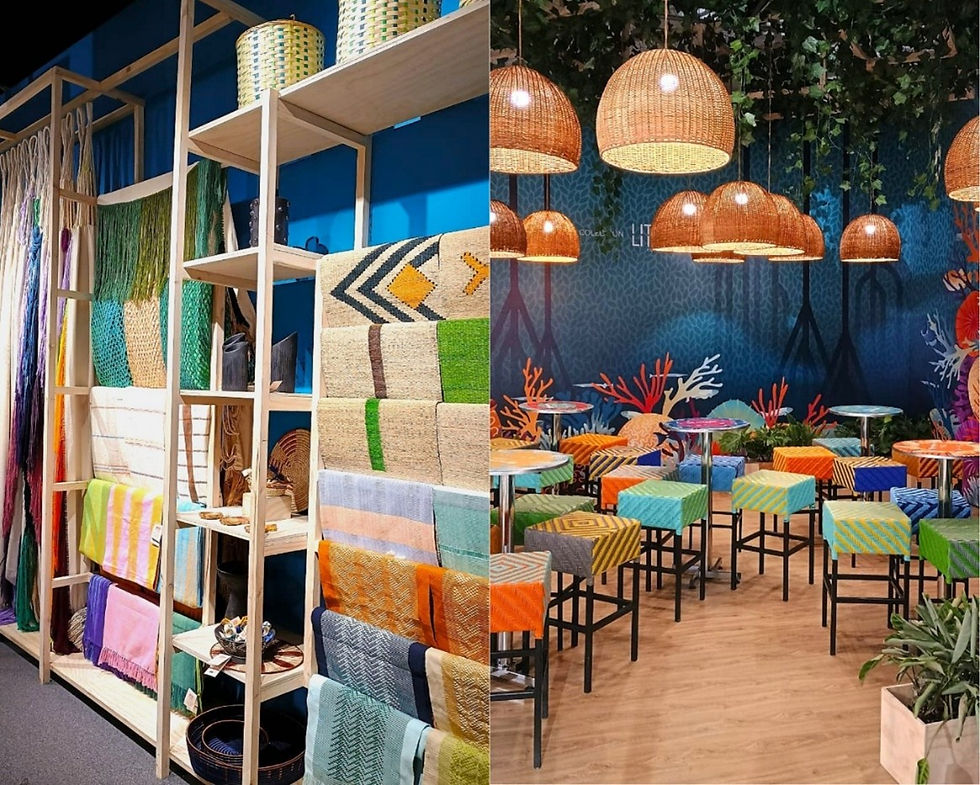
For several decades, Colombia’s artisanal talent has been a central pillar of national economic development, alongside public tourism policies. The creation of institutions such as Artesanías de Colombia has played a fundamental role in supporting the preservation, development, and promotion of artisanal production—helping to improve not only design through practical workshops and production through technology transfer, but also the quality of life of artisans.
References: Colombia Artesanal. (n.d.). Colombia Artesanal. Retrieved May 4, 2026, from https://colombiaartesanal.com.co/sobre-nosotros/ | (n.d.). Com.co. Retrieved May 4, 2026, from https://repositorio.artesaniasdecolombia.com.co/bitstream/001/1724/1/INST-D%202003.%2012.pdf
Exploring Colombian craftsmanship is not just about observing objects—it is about immersing yourself in living stories, in communities that preserve their identity through each creation. It is an invitation to travel beyond traditional destinations, to connect with people, their knowledge, and their way of seeing the world. For those seeking an authentic experience, discovering Colombia through its artisans is undoubtedly one of the most enriching ways to understand the true essence of the country.


Comments