
Seeing Jaguars, Pumas & Ocelots in Colombia: Best Regions, Best Time to Travel, and Realistic Chances
Seeing Jaguars in Colombia: The Essentials
Anyone hoping to see a jaguar in Colombia will find the most realistic opportunities in the Llanos Orientales, particularly in Casanare, and typically during the drier months between December and March. El Tuparro National Park is the strongest alternative for more remote expedition-style journeys, while Amacayacu and other Amazon regions are ecologically outstanding jaguar habitats but offer far fewer direct sightings due to the dense rainforest.

The key factor is managing expectations. Colombia is not a destination where travelers should expect visible big cats every day. Even in the country’s best-documented jaguar tourism area, modeled sighting probabilities for visitors reached only about 40 percent. That is precisely why honest trip planning matters more than grand promises. From Chaska Tours’ perspective, this is not a disadvantage but rather a prerequisite for meaningful wildlife travel: a strong habitat, an experienced local guide, and enough time in the field are far more valuable than a packed itinerary with too little focus.

Where the Chances Are Best
The most accessible and predictable region is Casanare. In the Llanos, open savannas, waterways, and gallery forests make it much easier to spot wildlife. This is the crucial difference compared to the Amazon: not necessarily more jaguars, but significantly better visibility for travelers.
Hato La Aurora combines this landscape with multi-day jeep safaris, authentic Llanero culture, and a clear seasonal pattern. Operators openly explain that jaguar sightings become more likely during the dry season (“Verano”), when water becomes scarcer and prey animals concentrate around remaining water sources.
Travelers with a specific interest in jaguars should therefore plan at least three full safari days, in addition to travel time, rather than treating the region as a brief stopover.
For those seeking something more remote and less visited, El Tuparro National Park in Vichada is an excellent option. The park protects vast savannas, gallery forests, rivers, and rock formations that provide ideal hunting and refuge areas for both jaguars and pumas. The continued presence of jaguars has been confirmed through official records as recently as 2026.
At the same time, El Tuparro remains a destination best visited with authorized operators and deep respect for the protected area. For first-time visitors, Casanare is usually the easier introduction. For experienced wildlife travelers with patience, El Tuparro may offer the more rewarding wilderness experience.

The Amazon around Amacayacu National Park is best suited to travelers who want to understand the rainforest as a whole, rather than focusing exclusively on jaguars. Tourism in the area is strongly based on community-led initiatives involving the Indigenous communities of San Martín de Amacayacu and Mocagua.
The region is extraordinarily rich in biodiversity, but the dense rainforest makes encounters with large cats difficult. Travelers choosing Amacayacu are best served by adopting the mindset that a jaguar sighting is possible, but that the real value lies in rainforest ecology, river systems, Indigenous interpretation, and the sheer abundance of life.
Chiribiquete National Park is often mentioned as a symbol of jaguar conservation in Colombia, but it is not a conventional travel destination. The park remains closed to visitors and has no ecotourism vocation.

Other Wild Cats You May Encounter
Travelers who are not exclusively focused on jaguars significantly increase their chances of seeing wild cats in Colombia.
The puma is more adaptable than the jaguar and occupies a wide variety of habitats throughout the country, including the Amazon, Llanos, Chocó, and the Andes. In practical terms, this means a puma can absolutely become part of the same trip during which travelers are searching for jaguars in Casanare.
In the Andes, the situation changes. Jaguar sightings are generally not considered a realistic tourism objective, while puma habitat is much more relevant. Puracé National Park, for example, specifically lists both pumas and tigrillos (small spotted cats) among the species that visitors may encounter in an Andean environment. Direct sightings remain rare, and access conditions can change due to altitude, weather, or volcanic activity.

The outlook becomes even more challenging for Colombia’s smaller wild cats. The ocelot is primarily nocturnal, the margay is nocturnal and highly arboreal, the oncilla is associated mainly with cloud forests, Andean ecosystems, and high-altitude habitats, while the jaguarundi may occasionally appear during daylight hours and in more open environments.
Direct encounters with these elusive cats remain exceptional. Camera traps often provide the most reliable evidence of their presence. In practical terms, travelers hoping to see an ocelot, margay, or oncilla in the wild will need considerable luck. Those interested in searching for them from a biological perspective often gain a more meaningful understanding through tracks, camera-trap records, and local monitoring programs.

Best Time to Travel and Responsible Wildlife Watching
As a general rule, the wetter months in the Orinoquía and Amazon regions often fall between April and September, while the drier period usually extends from October to March. However, seasonal timing and intensity can vary considerably depending on the year and specific location.
For travelers specifically searching for wild cats, the drier months are generally more favorable, particularly in the Llanos. Roads become more accessible, water sources concentrate animal movements, and visibility in the landscape improves.
The rainy season still has its own appeal, offering flooded savannas, greater numbers of waterbirds, dramatic skies, and a unique atmosphere. However, it is typically less efficient for locating particularly elusive cats.
At the same time, Colombian seasons should never be interpreted too rigidly, as climate variability can significantly shift rainfall patterns and intensity.
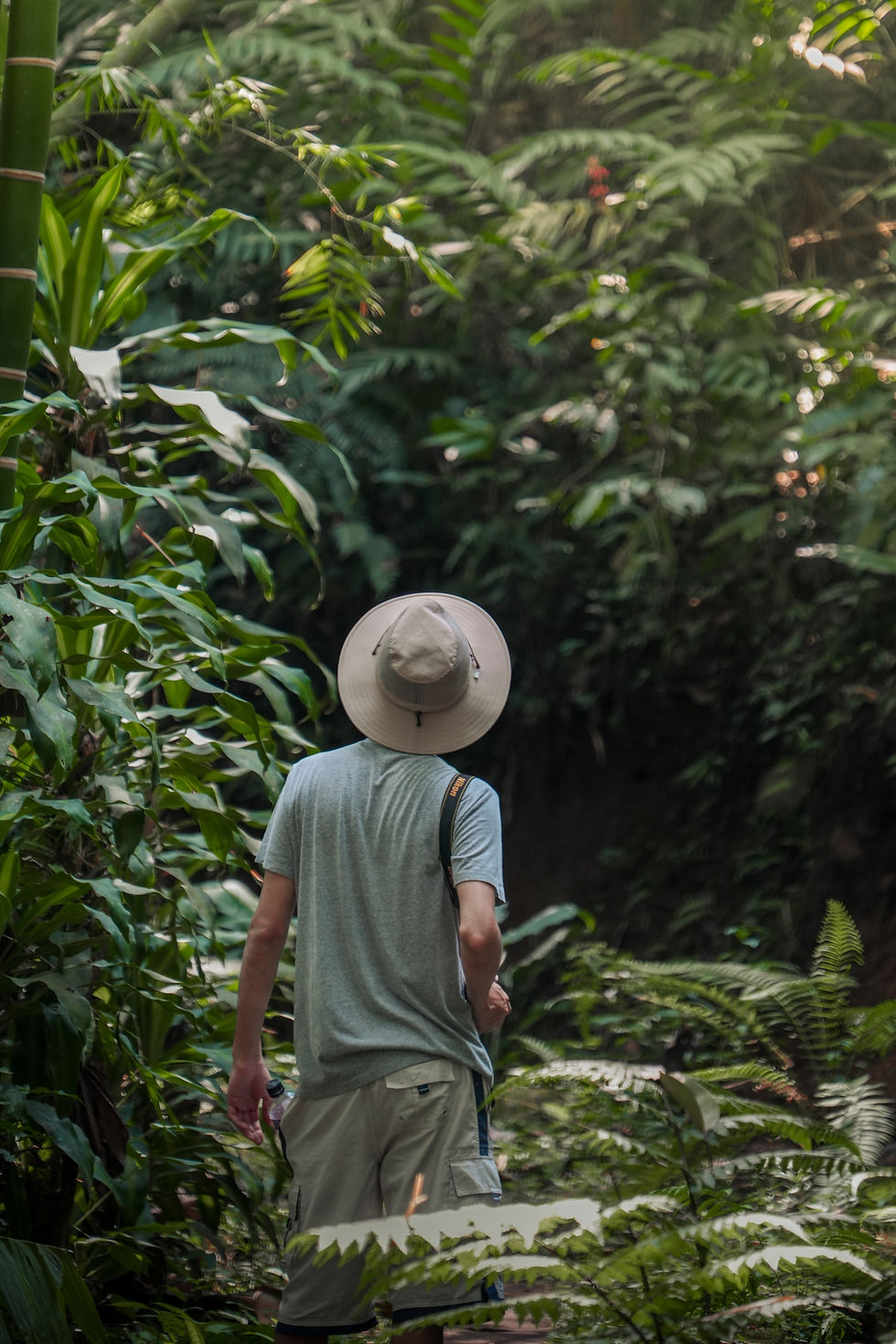
Successful wild-cat tourism in Colombia is also a matter of ethics. Colombia’s National Parks authority explicitly recommends not disturbing wildlife with noise, never feeding animals, maintaining a respectful distance, staying within authorized areas, and following the guidance of park rangers and authorized guides.
Private wildlife-focused trips should follow the same principles: no baiting, no creating disturbances for photographs, no drones in protected areas, and no rushing. From Chaska Tours’ local perspective, the best journeys are those that work with the territory rather than against it: a slower pace, local guides, small groups, and a genuine focus on observation rather than the pursuit of trophy photographs.
FAQ
Where is the best place to see a jaguar in Colombia?
The most realistic opportunities are found in the Llanos Orientales, especially in Casanare, where open landscapes, established safari infrastructure, and the strongest documented tourism sighting rates come together. El Tuparro National Park is the main alternative for more remote expeditions.
When is the best time to search for jaguars in Colombia?
Generally during the drier months from December to March, particularly in the Llanos. Across much of the Orinoquía and Amazon regions, the rainy season usually runs from April to September, while the drier period extends from October to March. In Casanare, these drier months often provide the best search conditions.
Can you see pumas in Colombia?
Yes, although patience remains essential. Significant puma populations exist in the Amazon, Llanos, Chocó, and Andes. In practical travel terms, Llanos expeditions and certain Andean areas such as Puracé offer the most realistic opportunities.
Are jaguar sightings in Colombia guaranteed?
No. Encounters with wild cats always depend on a combination of luck, timing, habitat conditions, and the expertise of local guides.
Anyone wishing to plan a Colombia itinerary that carefully balances wildlife-viewing opportunities, travel season, comfort, and conservation interests can do so with Chaska Tours through a highly personalized approach and without exaggerated promises. In most cases, the most rewarding routes are those that respect authentic habitats and allow sufficient time in the places where wild cats genuinely have a chance of being seen.


Comments